These initiatives are part of a broader effort to support the transition to greener, more economical transportation solutions, and to boost sustainable economic growth, according to an official statement on Tuesday.
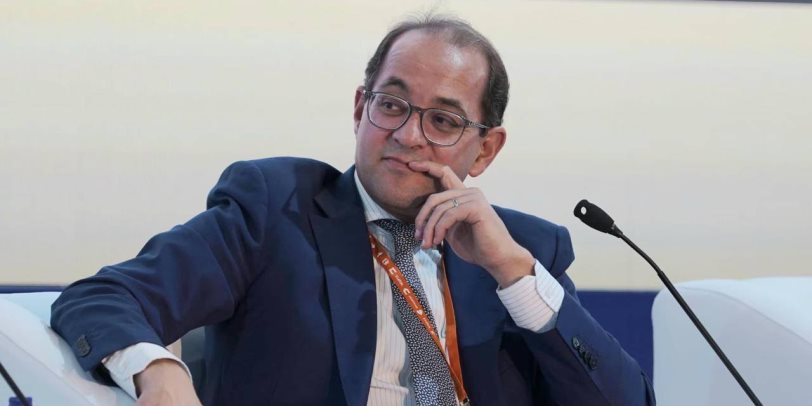
Minister of Finance Ahmed Kouchouk announced that the Egyptian government is preparing to launch two key initiatives aimed at encouraging the adoption of natural gas in both cars and buses, as well as the adoption of electric vehicles (EVs) in the market. He did not disclose a possible timeline.
These initiatives are part of a broader effort to support the transition to greener, more economical transportation solutions, and to boost sustainable economic growth, according to an official statement on Tuesday.
Talk of a new initiative to promote the adoption of NatGas in older vehicles has been around for a while.
In a late December cabinet meeting, Petroleum Minister Karim Badawi outlined the work of a joint task force from the Ministries of Finance and Petroleum that had been leading the initiative.
He announced that the initiative was ready for launch and would be supported by a public awareness campaign to highlight the benefits of switching to natural gas-powered vehicles.
Cabinet spokesperson Counselor Mohamed El-Homsany reported that the meeting included a detailed review of plans to convert 1.5 million vehicles to compressed natural gas (CNG).
A key highlight of the initiative was its potential to reduce diesel consumption by 50%, significantly lowering the nation’s reliance on subsidized petroleum products.
Speaking during his participation in the Banking and Finance Committee meeting at Chapter Zero Egypt on Tuesday, Kouchouk highlighted the government's ongoing commitment to helping both local and foreign businesses expand financing for green projects.
The goal is to support the growth of sustainable projects and create an environment where both the public and private sectors work together to drive economic change, Kouchouk explained.
At the same meeting, Ihab Mehawed, General Manager of Orascom Construction and founding member of Chapter Zero Egypt, highlighted Egypt's strategic advantages in attracting international investments, particularly in the renewable energy sector.
He called for an expansion of waste-to-energy projects and reducing fuel imports by shifting to renewable energy sources. This transition, he argued, would help alleviate financial burdens and promote long-term economic growth.
Manal Hassan, Group Chief Sustainability Officer at Elsewedy Electric and Chair of the Technical Advisory Committee at Chapter Zero Egypt, pointed out the challenges of decarbonizing supply chains, particularly due to Egypt's reliance on imported raw materials.
She proposed mandatory carbon disclosures for companies exporting to Egypt and emphasized the need for investment incentives to attract venture capital in green initiatives.
The minister also emphasized the importance of building trust and strong partnerships with taxpayers, noting that the government's priorities in taxes and customs focus on providing incentives and facilitation measures to address challenges with practical solutions.
Kouchouk underscored that flawless implementation of these initiatives is the real challenge, and the government is focused on ensuring that tax and customs workers meet the expectations of the business community.
The government has already introduced the first package of tax facilities and aims to improve services to create a positive impression among taxpayers of all sizes.
In addition to discussing these upcoming initiatives, Kouchouk reiterated the Ministry’s open approach to dialogue with both the private sector and international institutions, always striving to engage in conversations about a more sustainable economic future.