Under the deal, higher-cost debt will be exchanged for lower-cost debt, and the savings freed up will be allocated to a specific project or purpose.
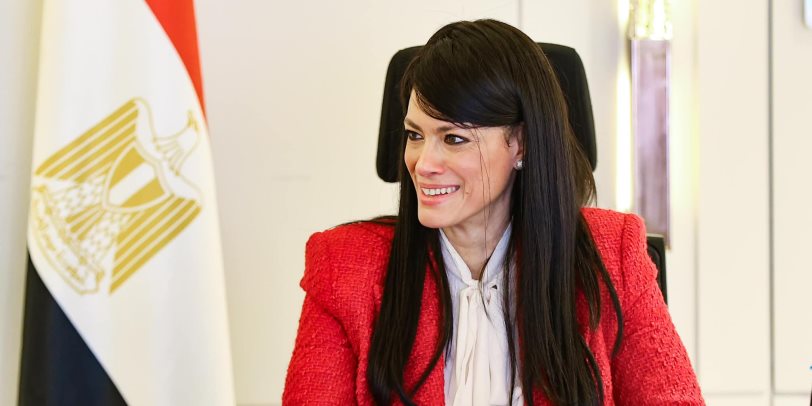
Minister of Planning, Economic Development, and International Cooperation, Rania Al-Mashat, said that Egypt is preparing to finalize another debt-swap agreement with its European partners before the end of this year, adding that additional similar agreements are being prepared for the coming year.
This upcoming agreement will form a further chapter in a series of debt swaps—amounting to approximately $ 1 billion—that Egypt has carried out over the years with partners such as Germany and Italy, dating back to the 1990s.
Under the deal, higher-cost debt will be exchanged for lower-cost debt, and the savings freed up will be allocated to a specific project or purpose.
The minister told Reuters, on the sidelines of the International Monetary Fund and World Bank annual meetings in Washington, that debt swaps are a way of managing liabilities.
Al-Mashat said that it is a method to generate more fiscal space and to show that our national goals align collectively with international objectives.
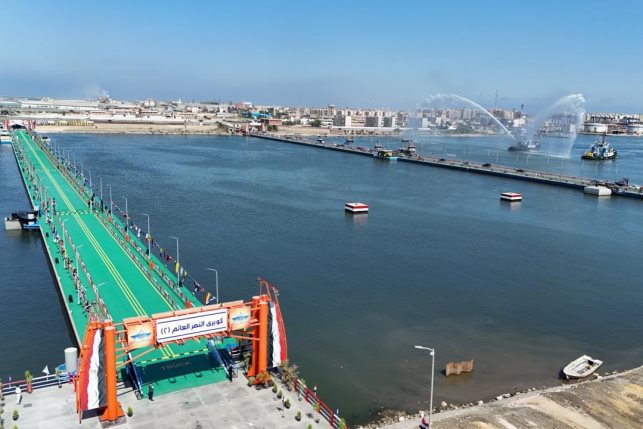
She gave no further details about the agreement. The minister also said the government hopes the Suez Canal’s contribution to economic growth will turn positive again from mid-2026 onward, after having been negative in recent years.
The waterway became a flashpoint during Israel’s war on Gaza, and canal revenues were pressured by attacks launched by the Houthis in Yemen targeting maritime navigation.
The Houthis, aligned with Iran, said their efforts to stop cargo bound for Israel were in solidarity with Palestinians in Gaza.
Al-Mashat told Reuters: “My expectation is that this contribution [to growth] will be at least zero, not negative, by June next year.”
She added: “We might be surprised by an upward turn again, depending on how quickly trade moves through the canal.”