The decision came after comprehensive feasibility studies conducted under a specialized committee formed in 2016 to evaluate development scenarios for the Qattara Depression area.
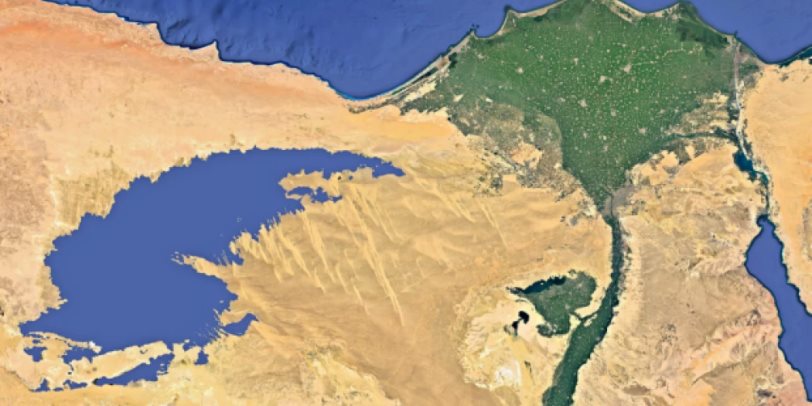
Egypt’s Cabinet Media Center said a ministerial committee has ruled out the long-discussed proposal to fill the Qattara Depression with Mediterranean seawater, citing major environmental, economic, and technical risks.
The government said the decision came after comprehensive feasibility studies conducted under a specialized committee formed in 2016 to evaluate development scenarios for the Qattara Depression area.
According to the review, five development scenarios were assessed, with the committee rejecting four of them, including the proposal to use the depression as a seawater reservoir for hydropower generation. The committee instead favored a development approach that avoids using the depression as a water storage basin.
The studies warned that flooding the depression with seawater could lead to groundwater salinization, damage agricultural land, threaten Siwa Oasis’ ecosystem, and negatively impact biodiversity in Egypt’s Western Desert.
The assessment also highlighted potential risks to oil and gas activities in the area, noting that 35 petroleum production zones and eight exploration areas overlap with the Qattara Depression region. Authorities said the project could disrupt extraction operations, increase infrastructure costs, and deter future investments in the Western Desert.
The report further pointed to the high financial cost of digging seawater canals and generating electricity through water flow compared with alternative energy sources.
The Cabinet Media Center said the evaluation reflects the state’s broader approach of conducting detailed economic, environmental, and technical feasibility studies before moving forward with major national projects.